If you search for a home in Sunnyvale as if the whole city works the same way, you can miss the details that shape your day-to-day life and your long-term value. Some blocks are built around rail access and walkability, while others feel more residential, lower-density, and car-oriented. If you are trying to buy with clarity, it helps to think of Sunnyvale as a collection of micro-markets rather than one single market. Let’s dive in.
Why Sunnyvale Feels Like Several Markets
Sunnyvale is a high-cost, high-income city, with a median household income of $186,170, a median owner-occupied home value of $1,801,800, and a median gross rent of $3,039. The owner-occupied housing rate is 43.8%, which also points to a market with a meaningful mix of ownership and rental housing. Those numbers alone suggest you are shopping in a place where location differences can matter a lot.
The city’s own planning framework reinforces that idea. Sunnyvale breaks planning into areas such as Downtown, East Sunnyvale, Lawrence Station, Moffett Park, Peery Park, Lakeside, El Camino Real, and seven Village Centers. In other words, the city is actively planning different places for different roles, and buyers should expect those differences to show up in housing type, street feel, parking, and future change.
Lifestyle also plays a role. Sunnyvale has 772 acres of parks and open space, along with multi-use trails connecting parks, creeks, neighboring communities, schools, and Bay trails. That means the value of a location is not only about commute time, but also about how easily you can reach outdoor space and daily amenities.
Downtown and Heritage District
For buyers who want the most connected, urban-feeling part of Sunnyvale, downtown-adjacent streets stand out. Downtown Sunnyvale covers roughly 150 acres and includes Historic Murphy Avenue, Cityline and Town Center, Plaza Del Sol, and Redwood Square. This area is known for eateries, merchants, art festivals, concerts, and a year-round farmers market.
Murphy Avenue is also being converted to a pedestrian-only mall, which strengthens the walkable identity of the district. If you picture a lifestyle where you can step out for coffee, dinner, or an event without needing to drive, this is the part of Sunnyvale most likely to match that routine. That convenience can come with a different tradeoff than you may find in more residential pockets.
From a transit standpoint, this is Sunnyvale’s strongest rail-linked micro-market. The Sunnyvale Caltrain station opens onto Murphy Avenue, and the Sunnyvale Transit Center connects riders to Caltrain and VTA routes 20 and 53. For buyers who want a car-light commute or easier regional access, that matters.
What Makes Heritage District Different
The Heritage District is not the same as the active commercial core, even though the two sit close together. The city identifies the Heritage District as Sunnyvale’s oldest residential area, bounded by Maude Avenue, Wolfe Road, Old San Francisco Road, and Mathilda Avenue. It includes 69 historic homes or streetscapes and four of the city’s eight national landmarks.
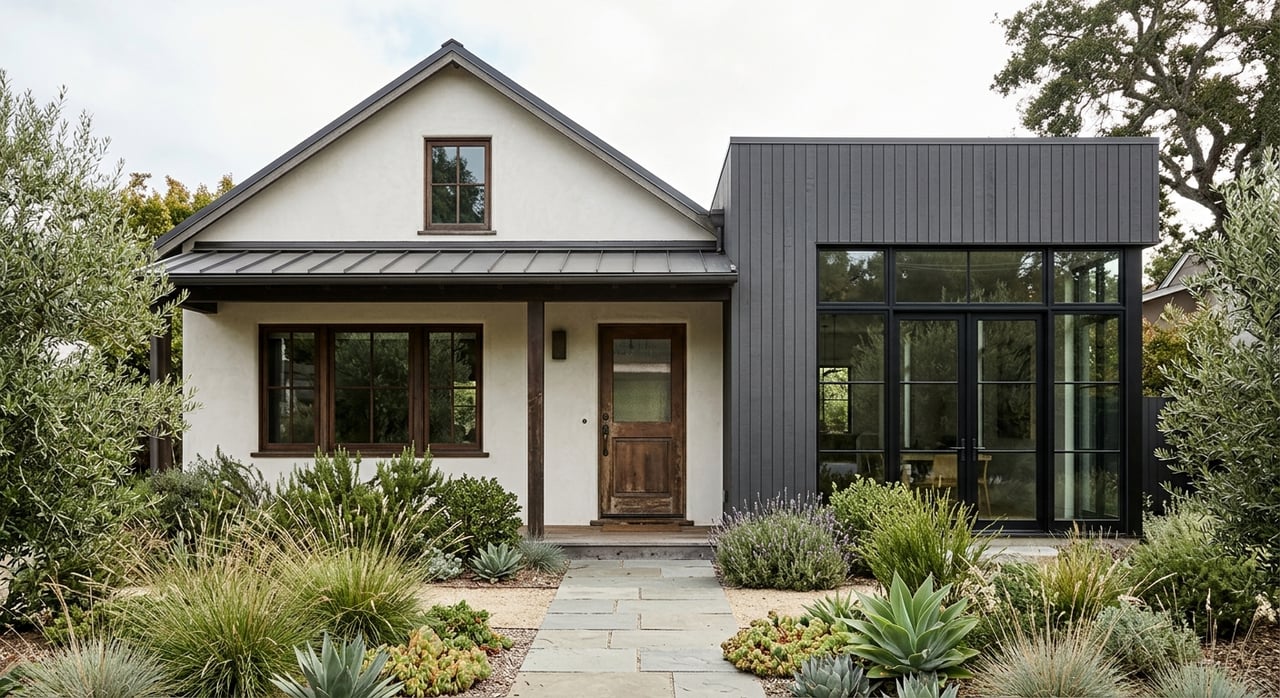
Housing here is still dominated by single-family bungalows from the 1930s through the 1950s. These homes are typically about 800 to 1,400 square feet on 5,000- to 7,000-square-foot lots, and the area also includes some condo options such as Santa Helena. For buyers, that often means a very different housing stock than what you would see in newer mixed-use areas.
The city further distinguishes between the Taaffe-Frances Heritage Neighborhood as a residential district and the Murphy Station Heritage Landmark District as a commercial district. That distinction matters because two homes that look close on a map can live very differently in practice. One may feel rooted in a historic residential fabric, while another may sit closer to busier commercial activity.
Tradeoffs Buyers Should Expect
In downtown and heritage-adjacent areas, parking and density deserve extra attention. Sunnyvale notes that mixed-use sites combine residential and nonresidential uses, and some transit-adjacent locations may qualify for reduced parking under state law. In practical terms, you may be trading larger parking setups and lower density for stronger walkability and transit convenience.
That does not make one option better than another. It simply means you should match the area to your routine. If access, dining, events, and rail connections are high on your list, downtown-adjacent blocks may deserve a close look.
Quieter Residential Pockets
Not every buyer wants to live near the city’s most active corridors. Sunnyvale describes itself as a place with quiet neighborhoods, and the city’s traffic-calming program exists for streets dealing with speeding or cut-through traffic. Paired with the city’s broad park and trail system, that helps explain why many residential pockets feel calmer and more suburban than the downtown core.
These quieter pockets are not a formal city label. Instead, they are a practical way to describe areas that sit farther from downtown and major redevelopment corridors. In general, these neighborhoods tend to offer more detached homes, less retail intensity, and a more driving-oriented daily pattern.
For many buyers, the appeal is straightforward. You may get a more traditional residential scale, less visible construction activity, and a calmer street pattern. The tradeoff is that you may give up some immediate access to dining, shopping, and transit.
What to Check on a Residential Block
Before you assume a street will stay exactly as it feels today, it helps to look a little deeper. A block may feel tucked away but still sit near a redevelopment boundary, a major corridor, or a future planning area. That is why micro-market analysis matters so much in Sunnyvale.
When you tour these areas, pay close attention to:
- Proximity to parks and trails
- Whether the street has traffic-calming history
- Distance from downtown or a major corridor
- Whether the block sits near a specific-plan boundary
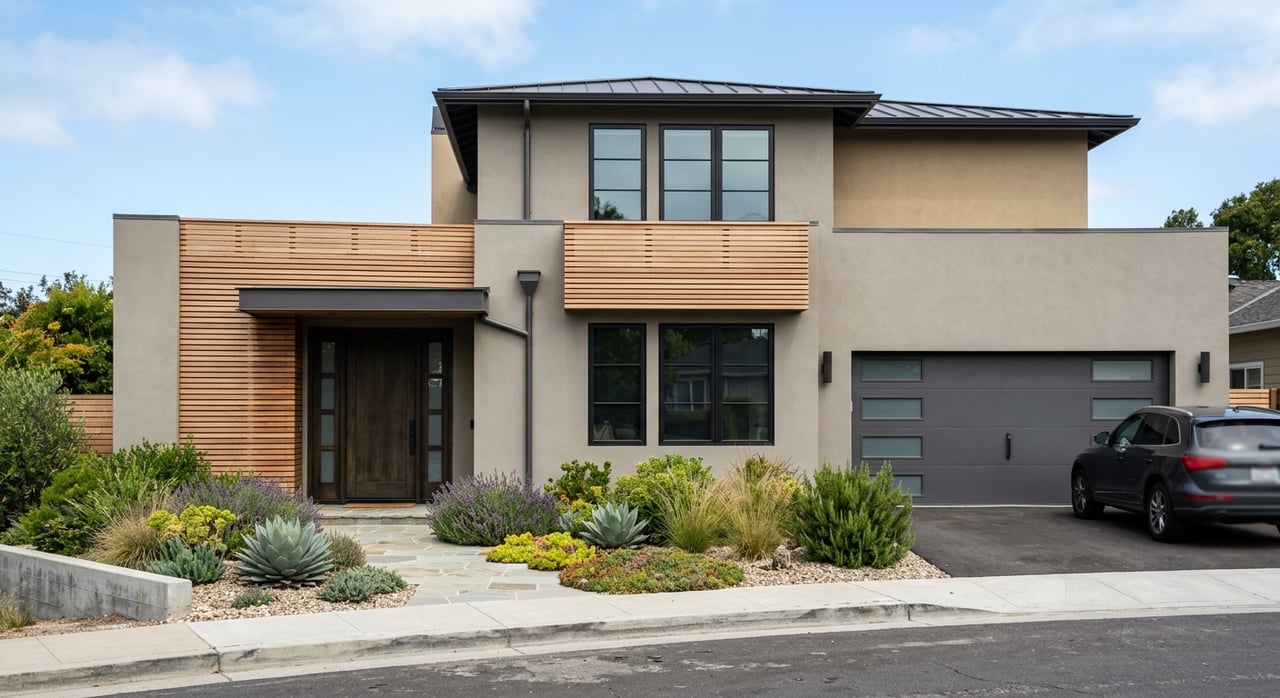
- The mix of detached homes versus newer infill nearby
For buyers who want a quieter day-to-day rhythm, these details can be more useful than a simple map search.
Village Centers and Evolving Zones
Some Sunnyvale buyers are less focused on older housing stock and more interested in newer homes, mixed-use settings, and future growth. That is where Village Centers and station-area districts enter the picture. These parts of the city can feel very different from both classic residential pockets and the historic downtown core.
Sunnyvale adopted its Village Center Master Plan on July 1, 2025 for seven Village Centers. The city describes these centers as key neighborhood service nodes, usually located at arterial and collector intersections, within walking and biking distance of nearby homes, and connected to pedestrian, bicycle, and transit routes. Approved or pending examples already include locations such as 877 W. Fremont, Fremont Circle, 150 E. Fremont, 911 E. Duane, and 1119 Lawrence Expressway.
For buyers, that signals a city that is intentionally shaping some areas for neighborhood-serving growth. If you are comfortable with change and want a setting with redevelopment momentum, these zones may be worth watching. If you prefer a more settled, low-density feel, they may feel less predictable.
Lawrence Station as a Key Example
Lawrence Station is one of the clearest transit-oriented mixed-use districts in Sunnyvale. According to the area plan, the north side of the railroad tracks remains largely industrial and commercial, with large surface lots along with newer apartments, townhomes, office, and research and development uses. The south side is mainly medium-density residential and commercial.
The Sense of Place Plan for Lawrence Station emphasizes wider sidewalks, pedestrian amenities, transit integration, and a multi-modal network. For buyers, that usually points to a more connected, evolving environment rather than a traditional large-lot suburban setting. It can be an appealing fit if you value newer product and transportation options.
East Sunnyvale and Other Active Areas
East Sunnyvale is also part of this broader story. Its Sense of Place Plan aims to improve street life, add destinations and neighborhood-scale amenities, and make walking, biking, and transit more comfortable. Nearby, the Central Arques plan focuses on industrial companies and improved mobility rather than housing, which still matters because nearby planning can influence how surrounding areas evolve over time.
Beyond these districts, transit access stretches across the city through VTA light-rail stations including Borregas, Crossman, Fair Oaks, Lockheed Martin, Moffett Park, Reamwood, Sunnyvale Transit Center, and Vienna. The city also has active planning in Moffett Park, Peery Park, and Lakeside. Buyers looking at nearby housing should understand that these planning efforts can affect future demand, supply, and neighborhood character.
How to Compare Sunnyvale Micro-Markets
The best way to compare Sunnyvale neighborhoods is to ask a few practical questions early. These questions can help you narrow your search faster and avoid focusing only on price or bedroom count.
Start with these:
- How close is the home to Caltrain or a VTA station?
- Is parking likely to be bundled, reduced, or limited?
- Is the home historic, infill, or newly built?
- Is the property inside a specific-plan area?
- Does the surrounding area appear stable, or is it in an evolving corridor?
Those questions matter because Sunnyvale’s planning framework is not pushing every neighborhood toward the same future. Some areas are centered on walkability and transit. Others preserve a more traditional residential scale. Others are clearly positioned for mixed-use growth and redevelopment.
A Simple Buyer Shortcut
If you want the easiest car-light commute, start by studying downtown and nearby Heritage District blocks. If you want older detached homes and calmer streets, focus on established residential pockets farther from the busiest redevelopment corridors. If you want newer construction, mixed-use convenience, or future momentum, pay close attention to Village Centers and station-area plans.
The key is not to ask which micro-market is best in general. The better question is which one best fits how you want to live now and what kind of neighborhood change you are comfortable with over time. That is often where a more confident Sunnyvale home search begins.
If you want help sorting through Sunnyvale’s block-by-block differences, buyer tradeoffs, and evolving neighborhood patterns, schedule a personalized consultation with Jane Dew Real Estate.
FAQs
What does a Sunnyvale micro-market mean for buyers?
- A Sunnyvale micro-market refers to a smaller pocket of the city that behaves differently from others based on transit access, housing type, planning boundaries, parking, and lifestyle patterns.
Which Sunnyvale area is most convenient for Caltrain and transit?
- Downtown Sunnyvale is the city’s most rail-linked area, with the Sunnyvale Caltrain station opening onto Murphy Avenue and the Sunnyvale Transit Center connecting to Caltrain and VTA routes 20 and 53.
What is the Heritage District in Sunnyvale like for homebuyers?
- The Heritage District is Sunnyvale’s oldest residential area and includes many single-family bungalows from the 1930s to 1950s, generally on 5,000- to 7,000-square-foot lots, along with some condo options.
Are there quieter residential neighborhoods in Sunnyvale?
- Yes. Many residential pockets farther from downtown and major redevelopment corridors tend to feel calmer, with more detached homes, less retail intensity, and a more driving-oriented routine.
Which Sunnyvale areas may have more new construction or redevelopment?
- Village Centers, Lawrence Station, East Sunnyvale, and other active planning areas such as Moffett Park, Peery Park, and Lakeside are the places buyers should watch for newer product and future change.
What should buyers check before choosing a Sunnyvale neighborhood?
- Buyers should review transit access, parking conditions, housing type, proximity to parks and trails, and whether a property sits inside or near a specific-plan or redevelopment area.