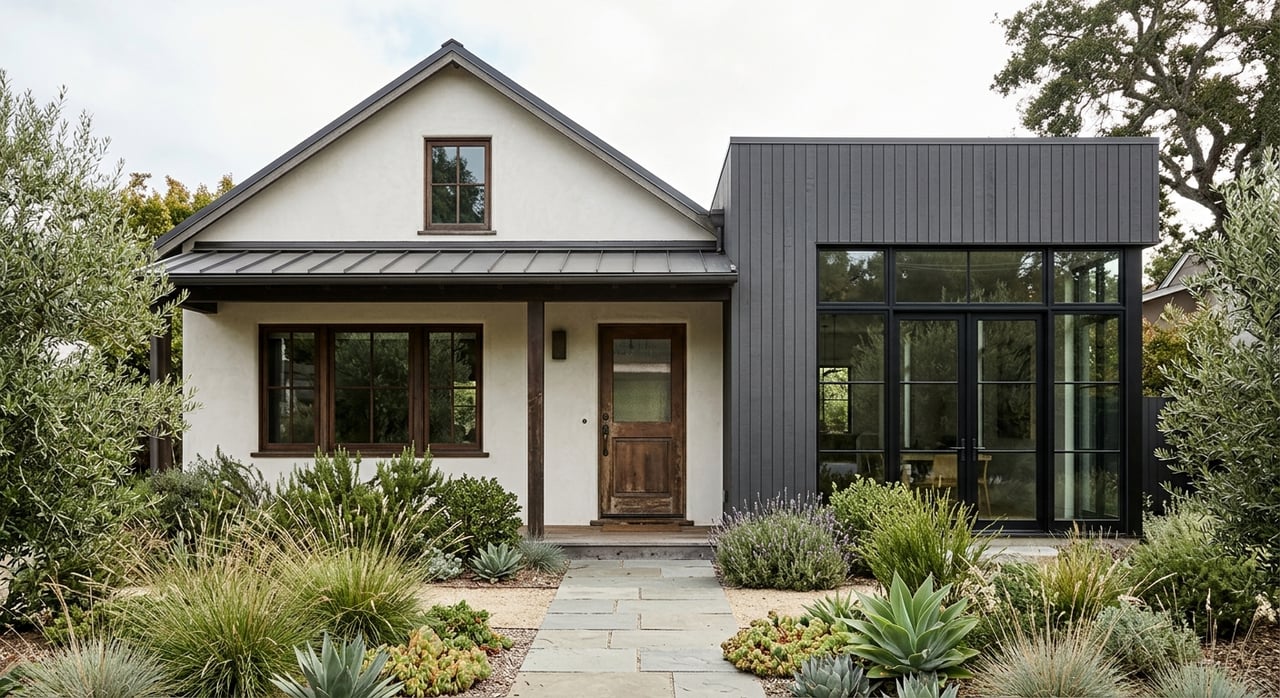
If you are deciding between new construction and a classic home in Palo Alto, the choice is rarely as simple as newer versus older. In this market, many homes come with layers of history, updates, design rules, and lot constraints that can shape your experience long after closing. Understanding those tradeoffs can help you buy with more confidence and avoid surprises. Let’s dive in.
Palo Alto Is Mostly An Older Housing Market
Palo Alto is not a market defined by large waves of brand-new subdivisions. According to the city’s 2023 to 2031 Housing Element, the median housing unit was built in 1955, about 47% of housing units were built before 1959, and only about 14% were built from 2000 onward.
That matters because when you shop here, “classic” often means more than a charming prewar home. It can also mean a postwar ranch, a bungalow, or a mid-century property that reflects the city’s long residential history.
What Classic Homes Mean In Palo Alto
In Palo Alto, classic homes span a wide range of architectural styles. The city’s historic survey identifies styles such as Craftsman, Colonial Revival, Mission Revival, Spanish Colonial Revival, Tudor Revival, Prairie, Queen Anne, Streamline Modern, Classical Revival, and Bay Area Tradition.
That broad definition is helpful if you are comparing homes by feel rather than just age. A 1920s bungalow and a 1950s modern home may both fall into the classic category, even though they offer very different layouts, materials, and design details.
Historic Districts Add Another Layer
Palo Alto includes four National Register historic districts: Professorville, Ramona Street Architectural District, Green Gables, and Greenmeadow. Professorville and Ramona Street are also listed in the city’s Historic Inventory.
For buyers, that can influence what future exterior changes may require review. If you love the character of an older home, it is wise to understand whether that character also comes with added project review steps.
Mid-Century Homes Are Part Of The Story
Classic does not always mean early-20th-century architecture. Palo Alto also has a strong mid-century identity, including Eichler and other postwar modern homes.
The city’s Eichler design guidelines note that Green Gables and Greenmeadow are National Register historic districts. So if you are drawn to open beams, indoor-outdoor design, and postwar lines, a classic Palo Alto home may still feel highly design-forward.
What Newer Homes Usually Offer
Newer homes often appeal to buyers who want a more current layout, newer systems, and construction that aligns with current building standards. In Palo Alto, the Building Division says projects submitted after January 1, 2026 must comply with the 2025 California Building Standards Code and city amendments.
That can be a meaningful advantage if you prefer a home designed around contemporary expectations. For some buyers, that means less immediate renovation planning and a more turnkey feel.
New Construction Still Faces Local Limits
Even in a high-value market, new construction is not unlimited in scope. Palo Alto applies design and review rules that can shape what gets built and how a finished home sits on the site.
For example, the city says a new two-story home, or a second-floor addition of 150 square feet or more, must meet the two-story objective design standards. Otherwise, the project goes through Single Family Individual Review before permit submittal.
The city’s development standards also include setback, height, and daylight plane rules. Front-yard setbacks are 20 feet, rear yards are 10 feet, side-yard requirements vary by lot width, and maximum building heights vary by zoning district.
Trees Can Affect The Final Design
One of the biggest surprises for buyers comparing lots is tree protection. Palo Alto says remodels, rebuilds, additions, and new homes all enter the development review process, and protected trees must be protected during construction.
In some cases, tree retention can reduce buildable area by more than 25%. So even if a home looks like a blank slate, the lot may still have important limits that shape future expansion or rebuilding plans.
Why Lot Analysis Matters So Much
In Palo Alto, the lot often tells you as much as the house itself. Two homes with similar square footage can offer very different long-term flexibility based on setbacks, special conditions, and neighborhood controls.
That is why the city’s parcel reports are so useful when comparing classic and newer homes. These reports show net lot size, original year built, effective year built, historic status, special setbacks, and flags for creek, flood, flag-lot, or special-area constraints.
Effective Year Built Can Change The Picture
A home may look older from the street but function more like a newer property if it has been extensively remodeled. The parcel report notes that effective year built can change when a home has been significantly improved or remodeled.
That detail can help you see beyond first impressions. A classic exterior may hide a much newer interior life cycle, while a newer-looking rebuild may still sit on a lot with tight development limits.
Neighborhood Character Is Not Just About Style
Professorville is a good example of how lot pattern and development history shape neighborhood feel. The district covers about 65 acres, most homes date from roughly 1893 through the 1930s, the western half has tightly spaced lots, and the eastern half includes larger early homes on more expansive parcels, along with later homes created after subdivision.
That mix shows why the same city can offer very different living experiences from block to block. When you compare homes in Palo Alto, lot width, spacing, and parcel history can be just as important as architecture.
Questions To Ask On Home Tours
If you are deciding between a newer home and a classic one, the best questions usually focus on what the property allows, not just how it looks today. Palo Alto provides several local tools that can help you verify those details.
For newer construction or major rebuilds, ask questions like:
- Is this a true new build or a rebuilt older home?
- Were permits finaled?
- Were grading and drainage issues addressed?
- Did setbacks or protected trees shape the home’s footprint?
The city’s Permit View, parcel report, and development pages are designed to help verify this information.
Questions For Classic Homes
If you are touring a classic home, first confirm whether it is in the Historic Inventory or within a historic district. The city says properties in the Historic Inventory, California Register, National Register, or historic districts require review for many exterior projects.
At the same time, the city notes that normal maintenance, interior work, and landscaping typically do not require historic review if the exterior appearance does not change. That distinction can be important if you love an older home but want to understand your future options.
Remodel Versus Rebuild Matters
If you are thinking ahead to changes, ask whether the property may fit a remodel path rather than a full rebuild. Palo Alto says the Home Improvement Exception is used for remodels that keep at least 75% of the existing exterior walls.
By contrast, new two-story homes are routed through the two-story objective standards or the Individual Review process. In practical terms, that difference can shape cost, timing, and what type of project is realistic.
How To Compare New And Classic Homes
The best comparison in Palo Alto is often not simply old versus new. It is usually code-current rebuild versus character-rich older home, with a close look at lot geometry, tree constraints, historic status, and permit history.
If you prefer convenience, newer homes may offer a more current starting point. If you value design character, lot personality, or architectural detail, a classic home may be the better fit. Either way, the smartest move is to evaluate the property as a full package, not just a style category.
For buyers and sellers alike, this is where local knowledge really matters. A polished listing may show beautiful finishes, but the parcel report, permit history, and neighborhood rules often reveal the bigger story behind a Palo Alto property.
If you want help comparing homes, understanding property constraints, or positioning a Palo Alto home for the market, Jane Dew Real Estate offers a tailored, high-touch approach grounded in local insight.
FAQs
What counts as a classic home in Palo Alto?
- In Palo Alto, a classic home can include early styles like Craftsman, Colonial Revival, Tudor Revival, and Queen Anne, as well as postwar and mid-century homes such as 1950s modern and Eichler-style properties.
Are most homes in Palo Alto new construction?
- No. Palo Alto is mostly an older housing market, with a median housing unit built in 1955, about 47% of units built before 1959, and only about 14% built from 2000 onward.
What should you check before buying a newer home in Palo Alto?
- You should verify whether it is a true new build or a rebuild, review permit history, confirm permits were finaled, and check whether setbacks, tree protection, grading, or drainage affected the design.
What should you check before buying a classic home in Palo Alto?
- You should confirm whether the property is in a historic district or historic inventory, review the parcel report, and understand whether future exterior changes may require historic review.
Why is the parcel report important for Palo Alto homes?
- The city parcel report can show net lot size, original year built, effective year built, historic status, special setbacks, and constraints such as creek, flood, flag-lot, or special-area conditions.
Can trees affect what you can build on a Palo Alto lot?
- Yes. The city says protected trees must be protected during construction, and in some cases tree retention can reduce buildable area by more than 25%.
Is a remodeled older home always easier than a rebuild in Palo Alto?
- Not always. Some remodels may qualify under the Home Improvement Exception if at least 75% of the existing exterior walls remain, while rebuilds and new two-story homes may follow different review paths.