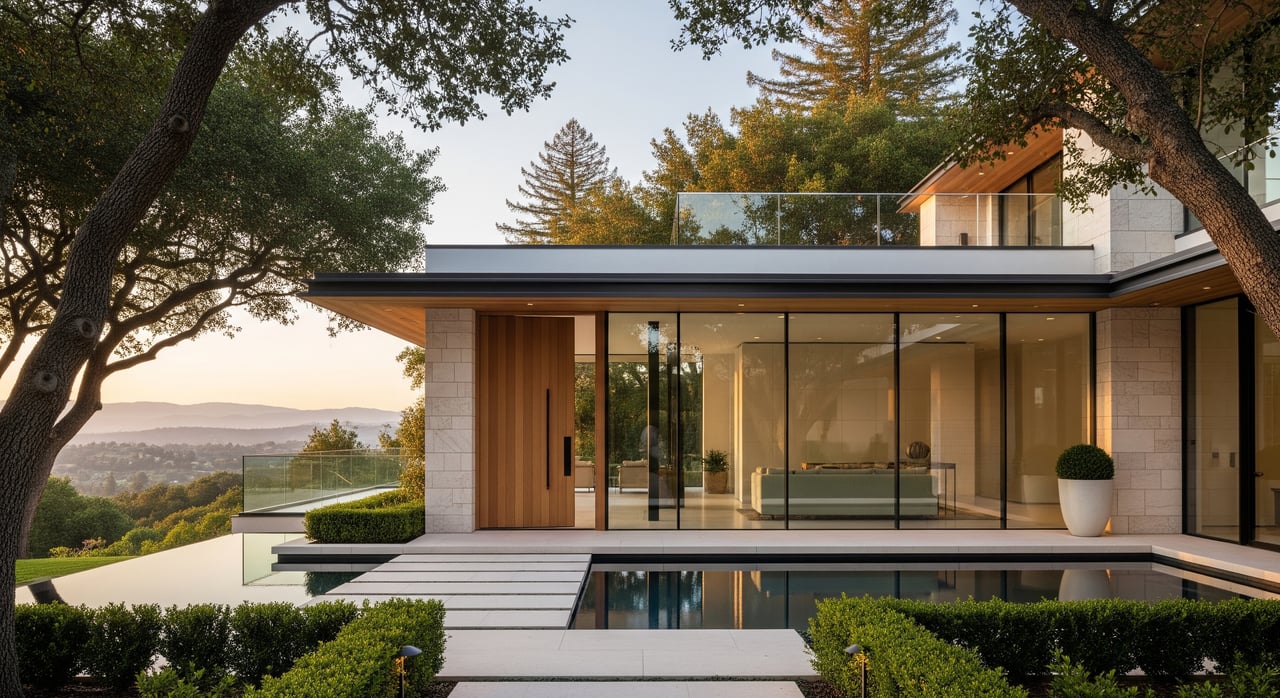
Pricing a luxury home in Los Altos is not about chasing a price-per-square-foot average. It is about reading a small, affluent buyer pool, understanding what they value, and positioning your property to meet those expectations. If you want to sell in the next 6 to 18 months, you need a clear plan that blends data, timing, and presentation to maximize your result. In this guide, you will learn how strategic pricing works for Los Altos luxury homes, what to ask your agent for, and how to avoid common pitfalls. Let’s dive in.
What makes Los Altos pricing different
Los Altos has a limited pool of qualified buyers at $2 million and above, and an even smaller pool at $4 million and above. Demand can track local tech employment, executive relocation, and private-company liquidity events, so activity can shift quickly. This means your pricing strategy should reflect real-time signals, not just last year’s averages.
Supply is tight, and the best properties are scarce. Larger lots, privacy-forward settings, and properties with standout outdoor amenities are limited, which creates wide value differences between “similar” homes. You also see micro-markets across central Los Altos, nearby Los Altos Hills, and neighboring towns like Palo Alto and Menlo Park, each with distinct price bands by lot size, setting, and renovation level.
Online behavior matters. Luxury buyers do heavy digital screening. They filter by price, lot size, school district boundaries, and commute. Listings that do not match the filters they care about will get fewer showings. Your price and presentation need to earn a click and a tour.
Price inputs your agent should analyze
True comparables over averages
For higher-end homes, lean on truly comparable closed sales rather than broad averages. Your best comps should mirror lot size, setting and privacy, outdoor amenities, interior volume, architectural style, and level of renovation. If close comps are thin, it is reasonable to expand to nearby luxury enclaves, then make clear, buyer-focused adjustments.
When closed comps are limited, include pending and active listings in your review. They indicate what buyers are considering right now and can reveal whether prices are pressing upward or facing resistance.
Adjusting for key luxury features
Agents commonly adjust for:
- Lot size and privacy premiums, especially on larger or more secluded parcels.
- Proximity to amenities and commute routes that matter to local buyers.
- Quality and recency of renovations, including systems like HVAC, roof, and electrical.
- Unique features like guest houses, theaters, or wine cellars, with careful, buyer-centric adjustments rather than dollar-for-dollar add-ons.
Market signals to track closely
Your agent should show you a clear read on:
- Days on market for the luxury tier versus the broader market.
- Sale-to-list ratios and whether comparable homes sold above, at, or below list.
- The share of cash versus financed purchases at your price band.
- Price-per-square-foot ranges for properties with similar lots and finishes.
- Showing volume and online engagement benchmarks for comparable listings.
Strategy: choose your price lane
Aggressive market-capture pricing
This approach targets maximum attention by pricing slightly below perceived market value. It can accelerate showings and create urgency. The tradeoff is the risk of leaving money on the table or drawing speculative buyers who may not perform.
Data-driven market-value pricing
You set the list price at a well-supported estimate of current market value, then back it with high-level marketing. It aligns buyer expectations with appraisals and balances speed with price certainty. The tradeoff is a lower chance of a bidding contest.
High-target, conservative pricing
You aim above market with the expectation of select buyer targeting and negotiation. This can make sense if you are not time-constrained and the property has rare attributes. The tradeoff is longer time on market and fewer qualified showings.
Smart psychological pricing
In luxury segments, small pricing choices can change search visibility. Pricing just below a round number can expand portal placement and buyer filters. Your agent should test thresholds against local buyer behavior before deciding.
Be cautious with underpricing to spark a bidding war. It can work in micro-markets with deep demand, but the luxury tier has a smaller buyer pool. If you overshoot the list price, you risk a stale listing. In this segment, initial overpricing often reduces showings and makes later adjustments less effective.
Marketing that supports your number
Your list price needs a marketing plan that earns buyer confidence:
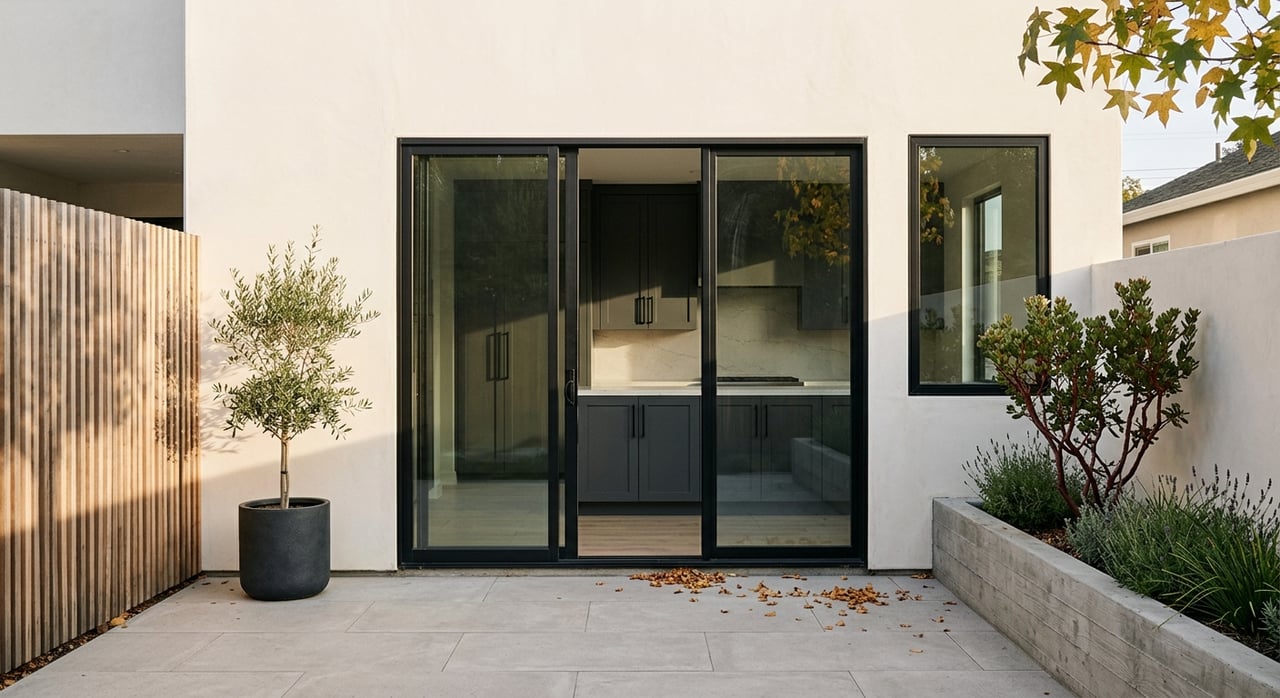
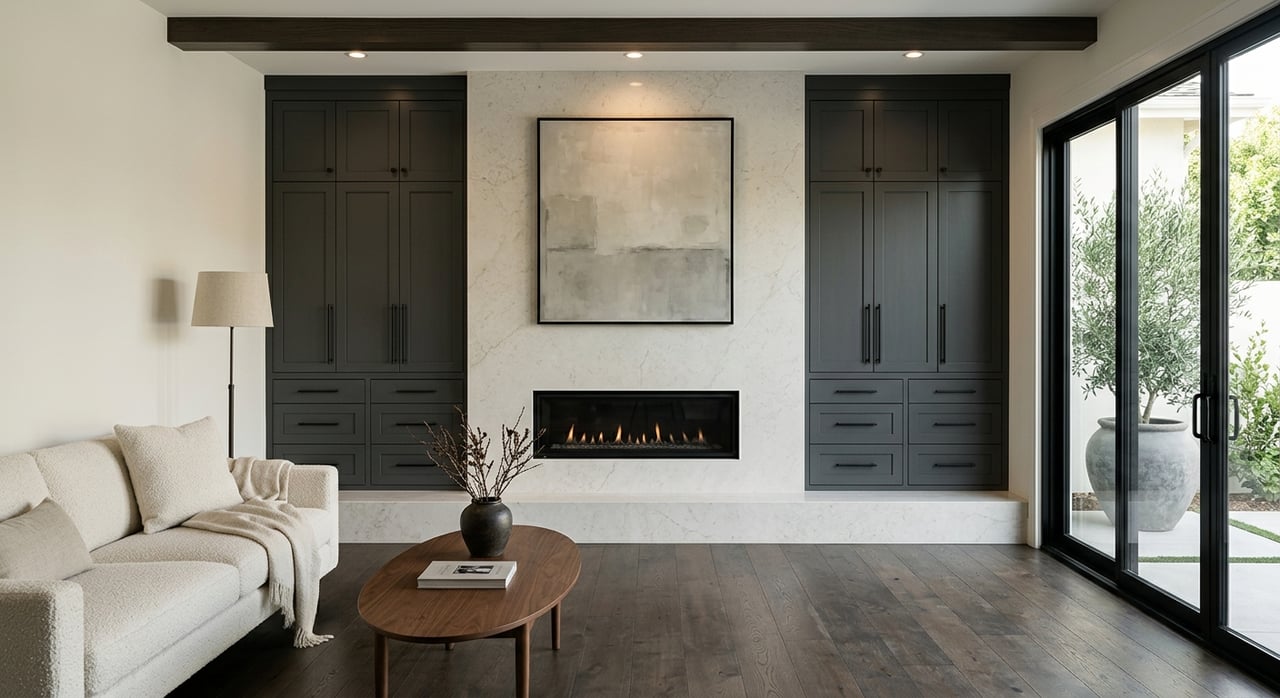
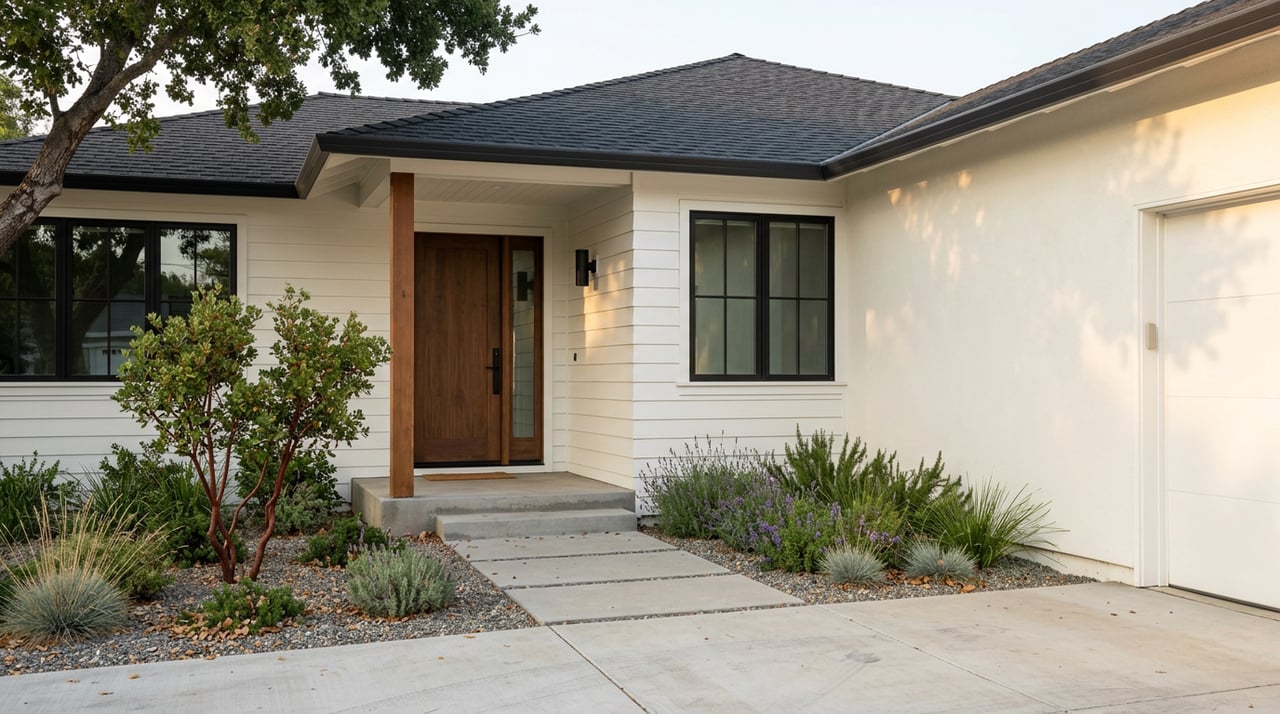
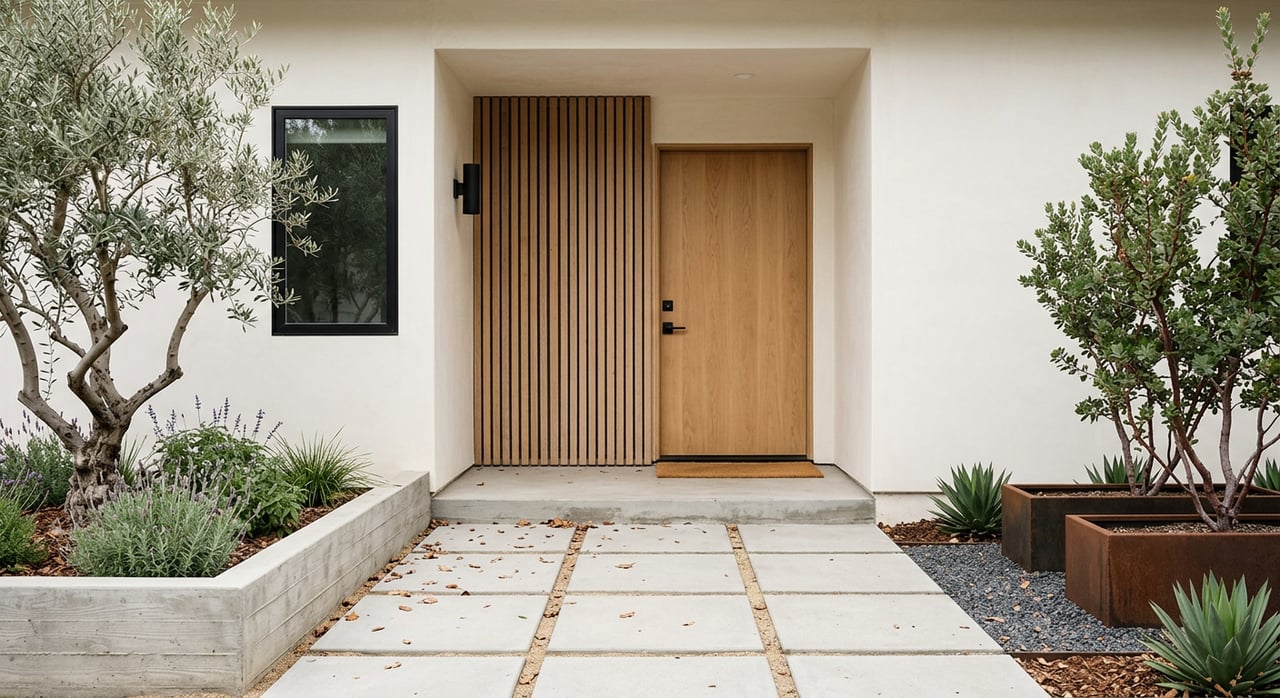
- Professional media: high-end photography, cinematic video, drone, 3D tours, and detailed floor plans.
- Property documentation: a comparable sales packet with clear adjustments, recent permits, renovation details, and system upgrades.
- Cost-based support: for new or fully remodeled properties, include construction invoices, plans, and warranties to help buyers and appraisers understand value.
High-quality virtual content increases qualified leads, especially for relocations and busy executives. If your media is not at the level buyers expect, even a fair price can underperform.
Timing and seasonality in Los Altos
Spring is traditionally the busiest season for listings and buyer traffic, which can help sellers seeking a faster result. High-net-worth buyers, however, often shop year-round, and the best timing for price can align with corporate calendars or relocation cycles.
Interest rates have a material effect on financed buyers. In the luxury tier, a higher share of cash purchases can soften that impact. Rate shifts may tilt preferences toward turnkey homes with lower ongoing maintenance.
Short-term tactics can help you read the market. Consider a defined review period of 7 to 14 days with a plan for quick adjustments if feedback signals a pricing mismatch. For ultra-luxury properties, private broker previews and pre-market outreach can generate interest before full public exposure.
Manage appraisal and financing risk
Unique luxury homes can challenge appraisals if close comps are scarce. Support the appraiser with a complete packet that includes your comp rationale, improvement costs, plans, and permits. In negotiations, consider financing structures that reduce appraisal friction, such as larger down payments or lenders experienced with jumbo and portfolio loans.
Expect a mix of jumbo financing and cash. Verify buyer strength early. Pre-inspections, complete disclosures, and a permit history can remove friction and build trust. On larger or older parcels, review title, easements, and lot lines early to prevent surprises.
Tax rules differ for primary residences versus investments. Plan ahead with your CPA or tax attorney to understand potential outcomes and strategies.
Monitor and adjust after launch
The first 7 to 10 days are pivotal. Track portal impressions, saves, click-through rates, video completions, and actual showings. If views are high but showings are low, the market may be seeing a value mismatch or unclear listing details. If engagement is below expectation and feedback centers on price, consider an early, measured adjustment paired with fresh marketing.
At 30 to 45 days, compare your days on market to the local luxury cohort. If you are out of step, revisit price, presentation, or both. Your agent may recommend modest adjustments of 1 to 3 percent for market tests or larger repositioning of 3 to 7 percent or more when clear signals show lower demand.
If you need to move quickly, prioritize net proceeds and certainty over list-price goals. Concessions, shorter escrow, or a leaseback can help. If you can wait, a strategic pullback and relaunch with refreshed marketing and a refined price can reframe the listing.
Seller checklist: build your pricing plan
Use this checklist to keep the process focused and evidence based:
- Complete comp set with written adjustment rationale for lot, privacy, renovations, and unique features.
- Active and pending competition with notes on days on market and buyer feedback.
- Local luxury inventory and months of supply for your price band.
- Sale-to-list ratios and price-per-square-foot ranges for similar properties.
- Share of cash versus financed purchases at your price tier.
- Portal engagement benchmarks and showing metrics from comparable listings.
- Media plan: photography, video, aerials, 3D tour, floor plans, property brochure, and neighborhood overview.
- Pre-listing inspections, permit history, and renovation documentation ready for buyers and appraisers.
- Launch plan with a 7 to 14 day review window and predefined decision points.
- Contingency strategy, appraisal support, and lender options suitable for jumbo or cash purchases.
How we work at Jane Dew Real Estate
You deserve a price strategy backed by clear data and refined presentation. Our approach pairs neighborhood-level expertise with curated listing marketing, including Luxury Presence microsites, high-resolution media, and targeted outreach to qualified buyers and cooperating brokers. We assemble a comp-driven pricing packet, plan your timing, prepare your documentation, and monitor early engagement so you can adjust with confidence.
If you are exploring a sale in the next 6 to 18 months, let’s map out your price range, launch timing, and marketing plan together. Schedule a conversation with Jane Dew Real Estate.
FAQs
How do I choose the right comps for a Los Altos luxury home?
- Focus on closed sales with similar lot size, privacy, outdoor amenities, architecture, and renovation level, then supplement with pending and active listings if nearby closed comps are limited.
Should I underprice my home to trigger a bidding war?
- It can work in certain micro-markets, but the luxury tier has a smaller buyer pool, so an underprice strategy carries risk if qualified demand is thin.
What if the appraisal comes in low on a jumbo purchase?
- Provide a comp and permit packet to the appraiser, explore lenders experienced with jumbo and portfolio loans, or negotiate a structure that reduces the appraisal gap.
When is the best time to list a luxury home in Los Altos?
- Spring typically brings more traffic, but high-net-worth buyers shop year-round, so align timing with your goals and local signals like new inventory, relocations, and buyer activity.
How quickly should I adjust price if activity is slow?
- Review data in the first 7 to 10 days; if engagement and showings lag and feedback centers on price, consider a measured adjustment paired with a marketing refresh.