You spend your days solving complex problems at work. Buying your first home in Cupertino should feel just as logical and well planned. If you want clarity on prices, timelines, loan types, and how to compete without taking on unnecessary risk, you’re in the right place. This guide breaks down what to expect in Cupertino’s market, the real numbers to budget, and practical steps to move from browsing to closing. Let’s dive in.
What to expect in Cupertino
Cupertino is a high-price, low-inventory market. Typical home values land in the low-to-mid $3M range. Listings can attract multiple offers and move quickly, so decision windows are often shorter than in an average U.S. market.
Local incomes help explain the competition. The city’s median household income is about $234,700, well above national averages, which supports higher purchase power for many buyers. You can validate these demographics in the City’s profile on the U.S. Census QuickFacts for Cupertino. Explore Cupertino income and housing data.
Expect professional, data-driven buyers at most price points. Your advantage comes from clean financing, tight organization, and an agent who understands Cupertino’s pace and contract norms.
Home types and neighborhoods
Cupertino’s housing stock is mostly single-family homes, with about 60 percent of homes owner occupied. Condos and townhomes exist in pockets and can be strong entry points compared with detached homes. See Cupertino owner-occupancy and housing stats.
Single-family homes
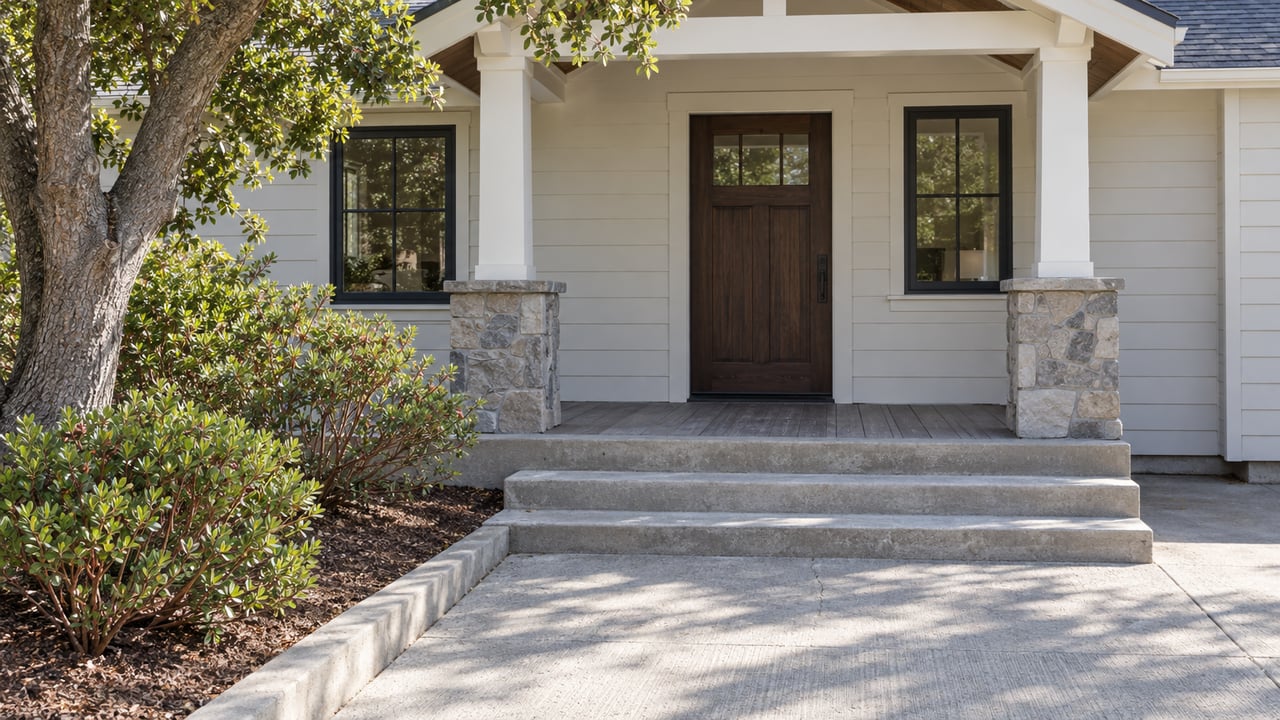
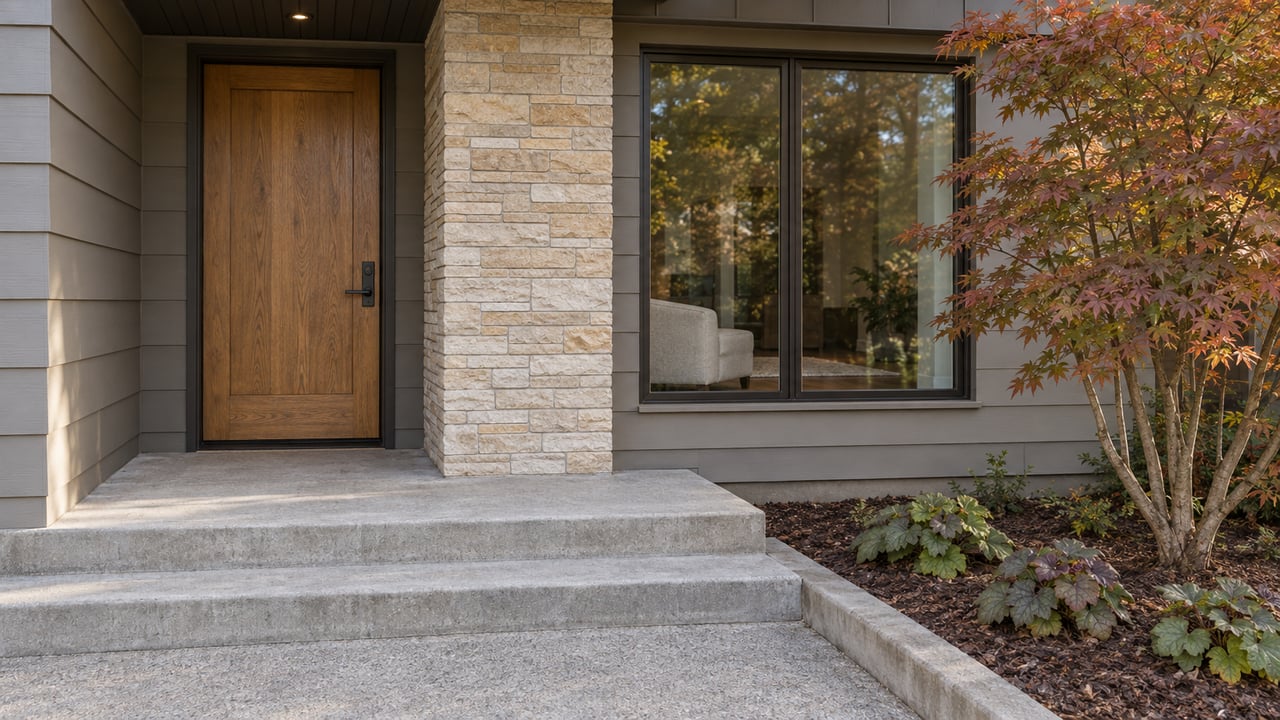
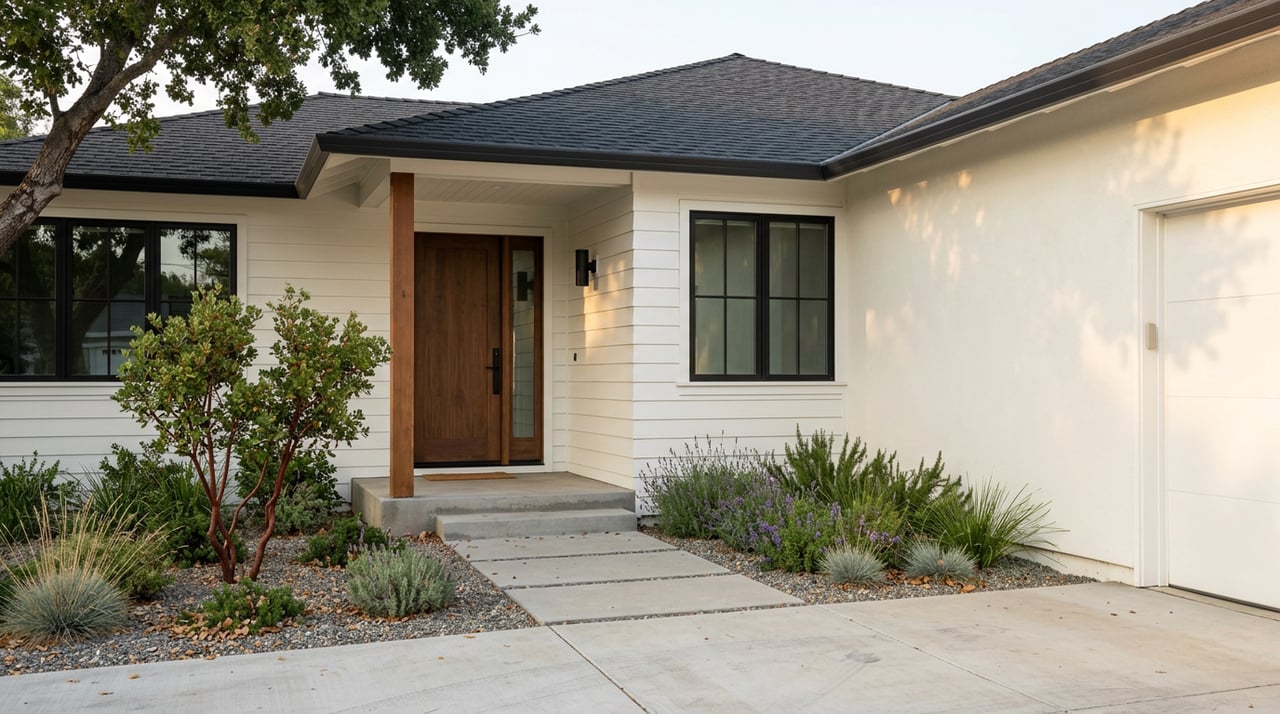
You’ll see midcentury ranch homes, many with thoughtful remodels, alongside newer rebuilds on suburban lots. Yard size, street setting, and renovation level drive price differences. Some streets have wider lots or homes set deeper from the curb, which can add privacy and long-term value.
Townhomes and condos
Attached homes typically offer a lower initial purchase price relative to single-family homes. Many include modern layouts and convenient locations near retail corridors. HOA dues and rules vary, so plan time to review HOA documents during escrow.
Neighborhood snapshots
- Monta Vista and nearby pockets often command higher prices. Commutes to major campuses are straightforward and local parks are close by.
- Homestead and the Stevens Creek corridor place you near shopping and dining along Stevens Creek Boulevard with direct highway access.
- Cupertino Village and the heart-of-city area mix residential and commercial uses, putting services, parks, and civic amenities within easy reach.
- Rancho Rinconada and Oak Valley include varied housing stock and lot sizes, which can create different price points compared with the western hills.
Focus your search on commute patterns, lot size, home age and condition, and access to everyday amenities. Keep school-related commentary neutral and verify district boundaries independently if that matters to your household.
Build your budget
Conforming vs. jumbo loans
In Santa Clara County, the 2026 conforming loan limit for a one-unit property is $1,249,125. Many Cupertino purchases exceed that loan amount, so you’ll likely use a jumbo mortgage unless you bring a larger down payment. Read the current county limits in the FHFA’s official release. Check the 2026 county loan limits.
Down payment norms
Many first-time buyers here aim for 15 to 25 percent down. Putting 20 percent down avoids private mortgage insurance for many loan types and can broaden lender options. There is no one-size-fits-all rule. Work with your lender to confirm the best structure based on your credit, reserves, and target purchase price.
Taxes and ongoing costs
California’s Prop 13 sets a 1 percent base property tax rate, plus locally approved bonds and assessments. In practice, many Santa Clara County homeowners see an effective rate around 1.1 to 1.3 percent of assessed value. Learn how Prop 13 works in the state’s official guide. Read California’s Prop 13 overview. For examples of effective tax rates in Santa Clara County, review third-party summaries. See Santa Clara County property tax examples.
Build your ongoing budget for property tax, homeowners insurance, and maintenance. Many buyers also consider earthquake insurance since standard homeowners policies do not include quake coverage by default.
Closing costs and reserves
Plan cash for your down payment plus closing costs. A common rule of thumb is a few percent of the purchase price for buyer-side closing costs, subject to your lender and escrow specifics. Many lenders also want several months of mortgage payments in reserves. Ask for a written estimate from your lender early so you can lock in a realistic cash-to-close plan.
Financing help to explore
Santa Clara County partners with Housing Trust Silicon Valley on down payment assistance that can support eligible first-time buyers. Programs often use deferred or shared-appreciation loans and include income and purchase price limits. If your household is dual-income, review caps and guidelines carefully before relying on assistance. Start with the County’s program page to see if you might qualify. Review the Empower Homebuyers SCC program.
Make a strong offer
Timeline basics
Most California purchases use the Residential Purchase Agreement template. Default contingency periods are often 17 days for inspection, appraisal, and loan. Typical closing timelines for financed offers run about 30 to 45 days. You can negotiate these windows. In competitive cases, some buyers shorten timelines after consulting with their lender and agent. See an overview of the CA purchase agreement timelines.
Ways to strengthen offers
- Get a full pre-approval or, better, an underwriting-ready file. Have pay stubs, W-2s, and assets verified.
- Show proof of funds for earnest money and your down payment.
- Calibrate contingencies. Shorter windows may help in a competitive scenario, but every reduction increases risk. Discuss tradeoffs with your agent and lender.
- Consider appraisal strategies. If your lender supports it and your finances allow, some buyers include coverage for small appraisal gaps. Make sure you understand the impact on cash needs.
A clean, complete package often beats a rushed, high-number offer. Organization and clarity communicate strength to a seller.
Digital workflow that saves time
Use MLS-powered searches through your agent for accurate, real-time data and notifications. Complement that with virtual tours and 3D walkthroughs to triage homes before you tour in person. Expect e-signature platforms for disclosures and offer documents, secure document portals for your lending file, and text-first coordination for showings.
For commute planning, test both drive and transit options. Cupertino operates the SV Hopper service that connects to Caltrain in Sunnyvale and Mountain View, which can be part of a car-light routine. Explore Cupertino’s getting around resources.
Disclosures and inspections
California requires a Transfer Disclosure Statement in most 1 to 4 unit sales. This seller-completed form outlines known property conditions. Learn how the Transfer Disclosure Statement works.
You will also receive a Natural Hazard Disclosure that maps risks like flood, fire hazard, and seismic zones. Read it carefully and ask questions early in your contingency period. Get a quick guide to NHD in California.
Plan standard inspections: a general home inspection plus a separate termite and pest report. Discuss earthquake-related items with your inspector, such as foundation, cripple wall bracing, and chimney connections. For condos and townhomes, review the HOA’s financials, rules, and insurance coverage during escrow.
ADUs and long-term options
If you want future flexibility for guests, multi-generational living, or potential rental income, evaluate accessory dwelling unit potential. State law has expanded ADU opportunities, and Cupertino has been updating its local ordinance. Always confirm current rules, submittal standards, and permit fees with City Planning before counting on an ADU in your affordability math. Check Cupertino’s recent ADU ordinance activity.
Quick-start checklist
- Get a strong pre-approval or pre-underwriting letter. Gather pay stubs, W-2s, and bank statements now.
- Confirm the county conforming loan limit and whether your budget requires a jumbo product.
- Budget down payment, an allowance for closing costs, and several months of mortgage reserves.
- Set your contingency strategy with your agent. Understand 17-day defaults and typical 30 to 45 day closes.
- Ask for the Transfer Disclosure Statement and Natural Hazard Disclosure early. Schedule inspections as soon as you are in contract.
- If an ADU matters to your plan, verify current Cupertino rules and timing with the City before you buy.
When you want a calm, organized path through Cupertino’s fast market, it helps to have a local guide who lives the details every day. If you would like a tailored plan and on-call support from offer through closing, connect with Jane Dew Real Estate. We will align your budget, search, and timeline so you can buy with confidence.
FAQs
What should a first-time buyer budget for property taxes in Cupertino?
- Many Santa Clara County owners pay an effective 1.1 to 1.3 percent of assessed value per year. California’s base rate is 1 percent, with local bonds and assessments added.
What is the 2026 conforming loan limit in Santa Clara County?
- The one-unit conforming limit is $1,249,125. Many Cupertino purchases require jumbo financing unless you bring a larger down payment.
How long does closing usually take for a financed home in Cupertino?
- Many financed closings take about 30 to 45 days. Default contingency periods on common California forms are often 17 days, but all timelines are negotiable.
Which disclosures are standard for California homebuyers?
- Expect a seller-completed Transfer Disclosure Statement and a Natural Hazard Disclosure. Review both early in your contingency window and ask follow-up questions.
What inspections should first-time buyers plan in the Bay Area?
- A general home inspection and a separate termite and pest inspection are common. Discuss earthquake-related items with your inspector and consider earthquake insurance.